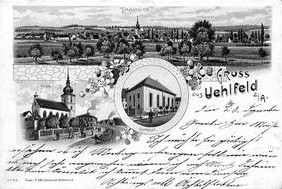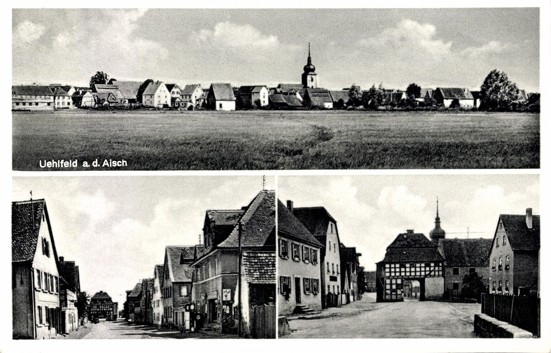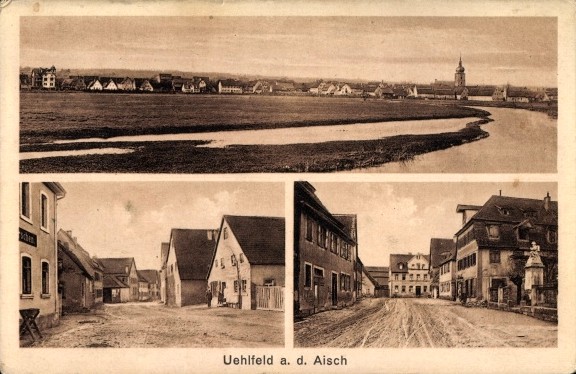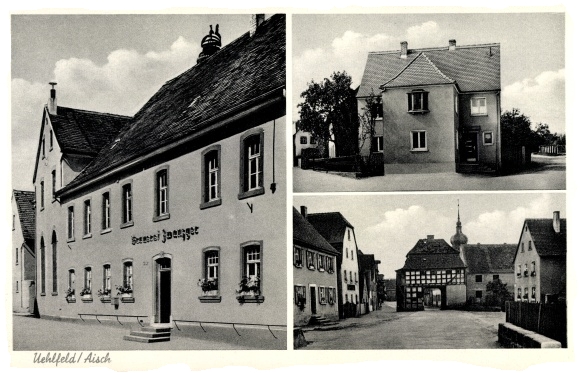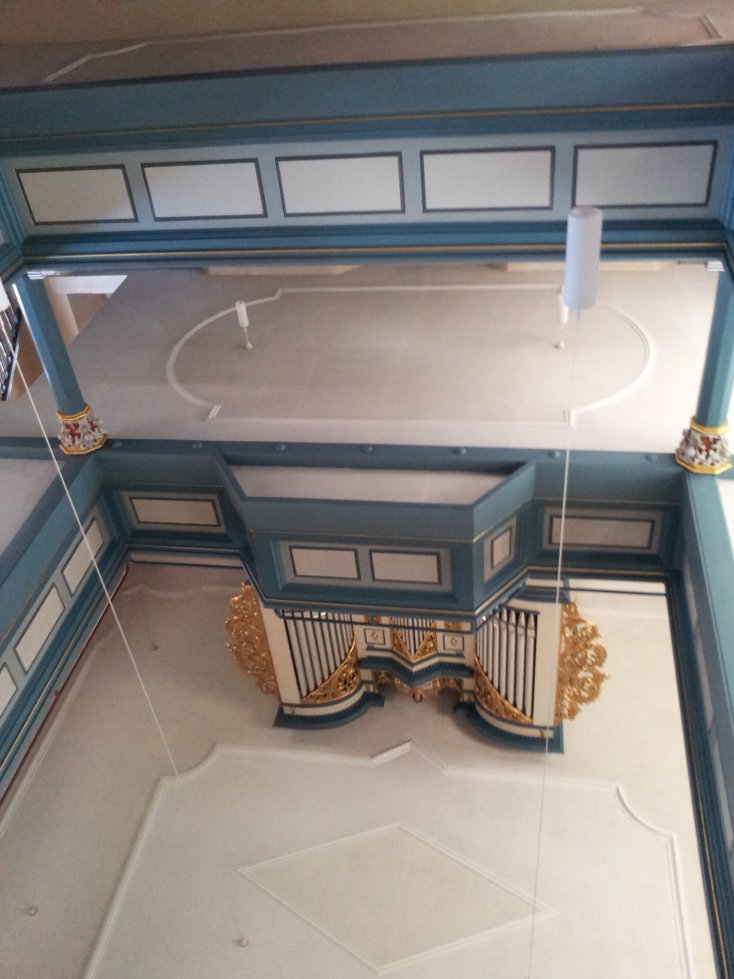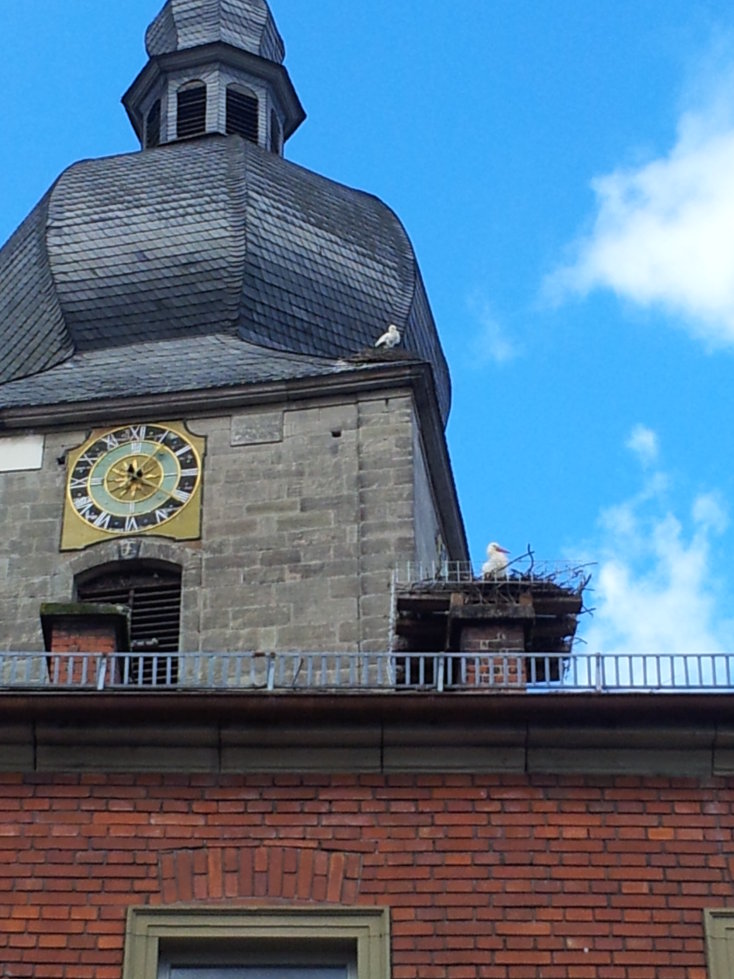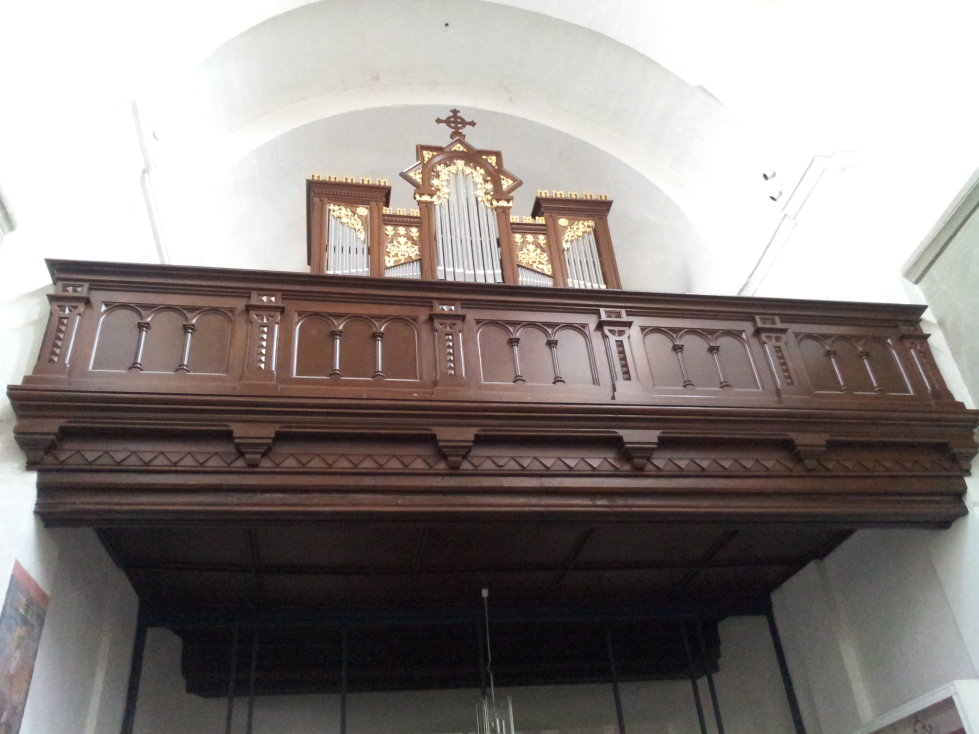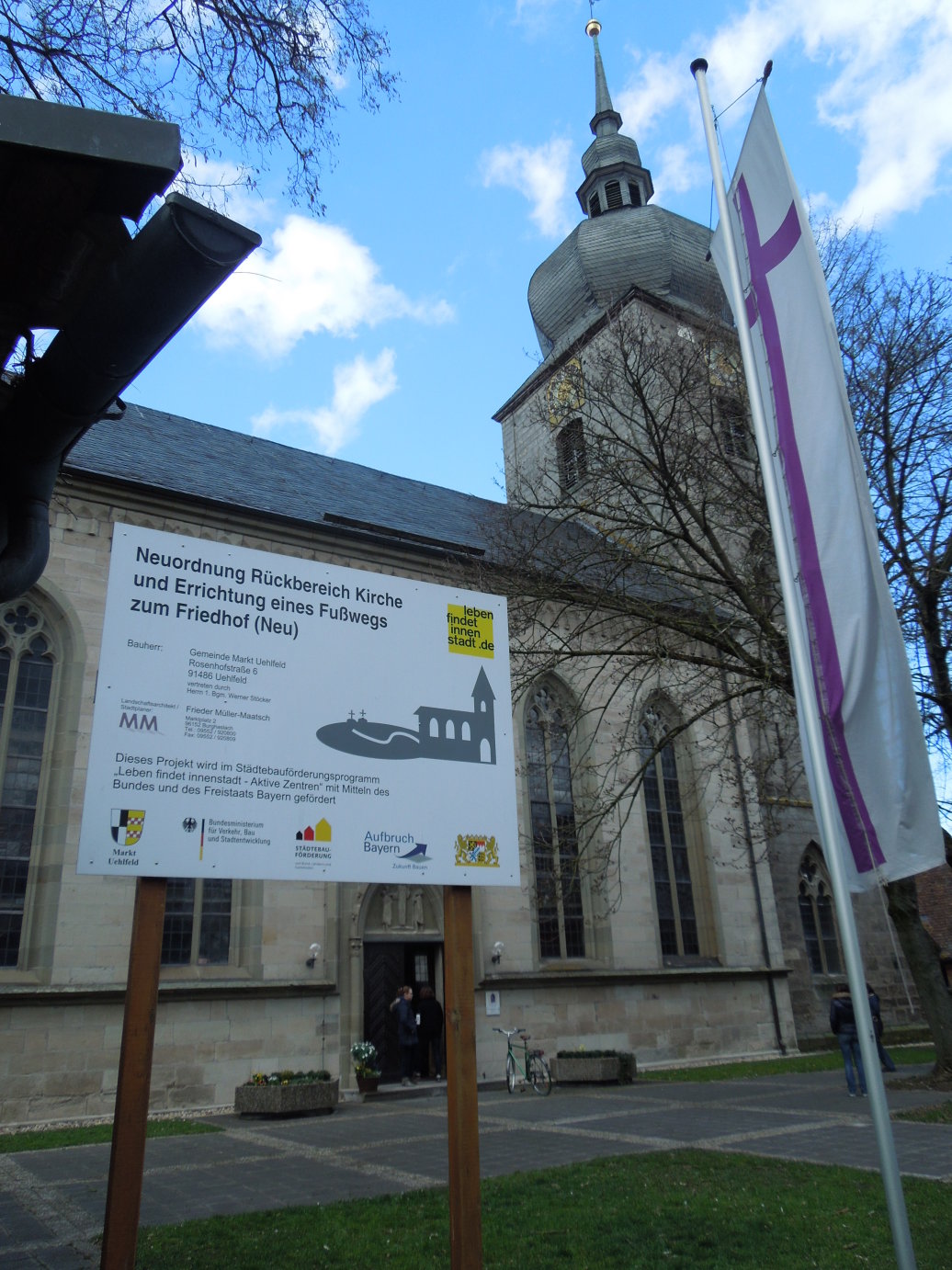


Uehlfeld

<font color="#A70033"><font size="-1">Image 1 of 6</font></font><br />     <font color="#A70033"><font size="-1">Image 2 of 6</font></font><br />     <font color="#A70033"><font size="-1">Image 3 of 6</font></font><br />     <font color="#A70033"><font size="-1">Image 4 of 6</font></font><br />     <font color="#A70033"><font size="-1">Image 5 of 6</font></font><br />     <font color="#A70033"><font size="-1">Image 6 of 6</font></font><br />

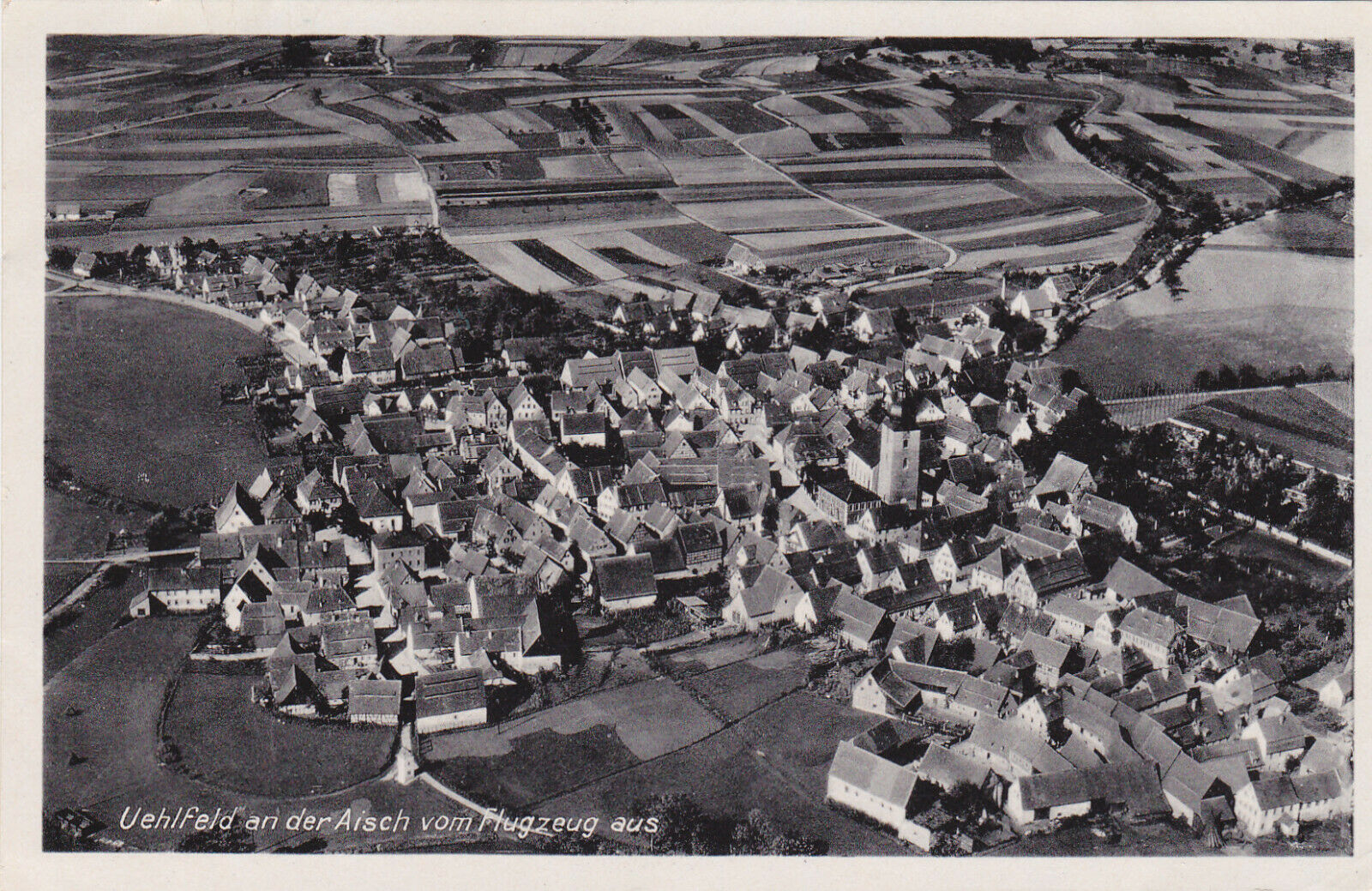
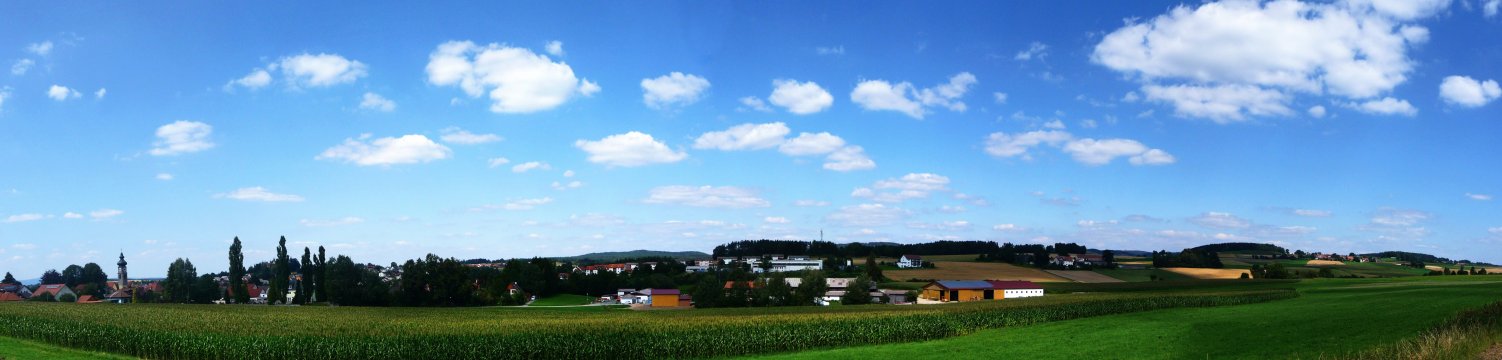
Uehlfeld probably came into being in the 6th century, when the Franks spread eastwards and came into possession of the Aischgrund.

It is assumed that among the seven Slavic churches in the Aischgrund, which were founded by Charlemagne, was also that of Uehlfeld. The year 1189 is given in many books and newspaper articles as the date of the first documented mention of the village, which is not correct: Uehlfeld is already documented in 1123 and was called Oulentevelt at that time. The name of the village changed very often in the course of history and so the original name of 1123 became Ulletenvelt (1127), Uelevelt (1154), Ulfeldium (1158), Ulefelt (1181) etc. finally the name Uehlfeld.

Uehlfeld was ravaged by large fires several times, the last time in 1888. In the course of history, the village was often devastated and destroyed by wars, such as during the Peasants' War (1524‐1525), in which the castle was burnt down, and in the Margrave's War of 1552, after which the villages of Nonndorf and Rothenberg near Uehlfeld were not rebuilt.

Especially during the 30 Years' War (1618‐1648) there was great hardship and misery in Uehlfeld. The people had to witness how an imperial colonel named Kehraus plundered and burned down the village. In 1649, the pastor Veit‐vom‐Berg, born in Baudenbach in 1612, came to Uehlfeld. He gave his inaugural address in front of the damaged church, with 31 people (ten men, 15 women and six children), at that time the only inhabitants of Uehlfeld, listening to him. Before the 30 Years' War, the village had over 600 inhabitants. Veit‐vom‐Berg remained in Uehlfeld until his death in 1675. Today, the primary and secondary school bears his name, and a street was also named after him.

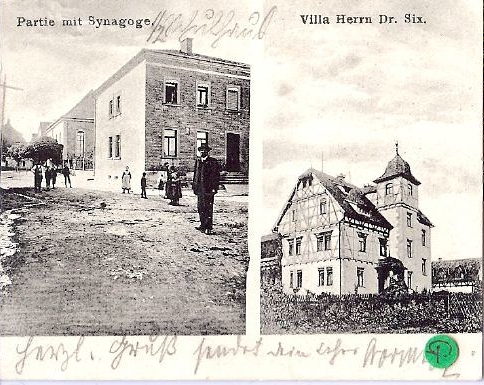
It was not until 200 years later, around the middle of the 19th century, that the population of Uehlfeld rose again to over 600. Among the new citizens were many Jewish merchants with their families and Uehlfeld became a place of trade and commerce. The Jews built a synagogue, a school and a cemetery outside the village, which still exists today. Its old gravestones are now shaded by some old oak trees. The coat of arms of the market town of Uehlfeld shows in the left field the colours of the Nuremberg Zollern, to whom the town belonged in the Middle Ages. The right field shows the coat of arms of the Truchsesses of Wetzhausen, who, as feudatories of the Margraves of Ansbach‐Bayreuth, controlled the fortunes of the market until the end of the 16th century. In their time, the village also became Protestant.

If you would like to take a closer look at the history of Uehlfeld, you can study the three local history books written by the late Rector Karl Schmer. In years of painstaking work he collected numerous documents and interesting facts from the past. The books can be obtained from the municipal administration.

This history courtesy of the Mkt Uehlfeld https://www.uehlfeld.de/ web pages.

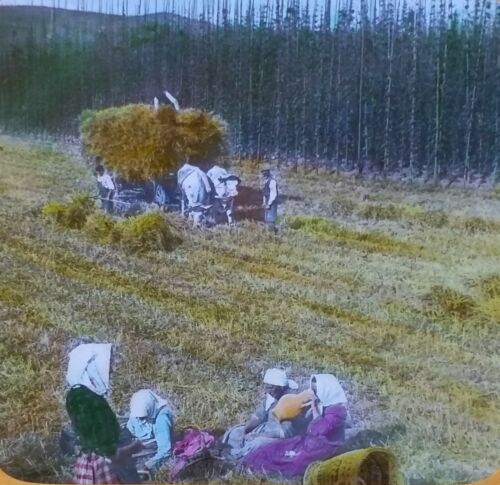
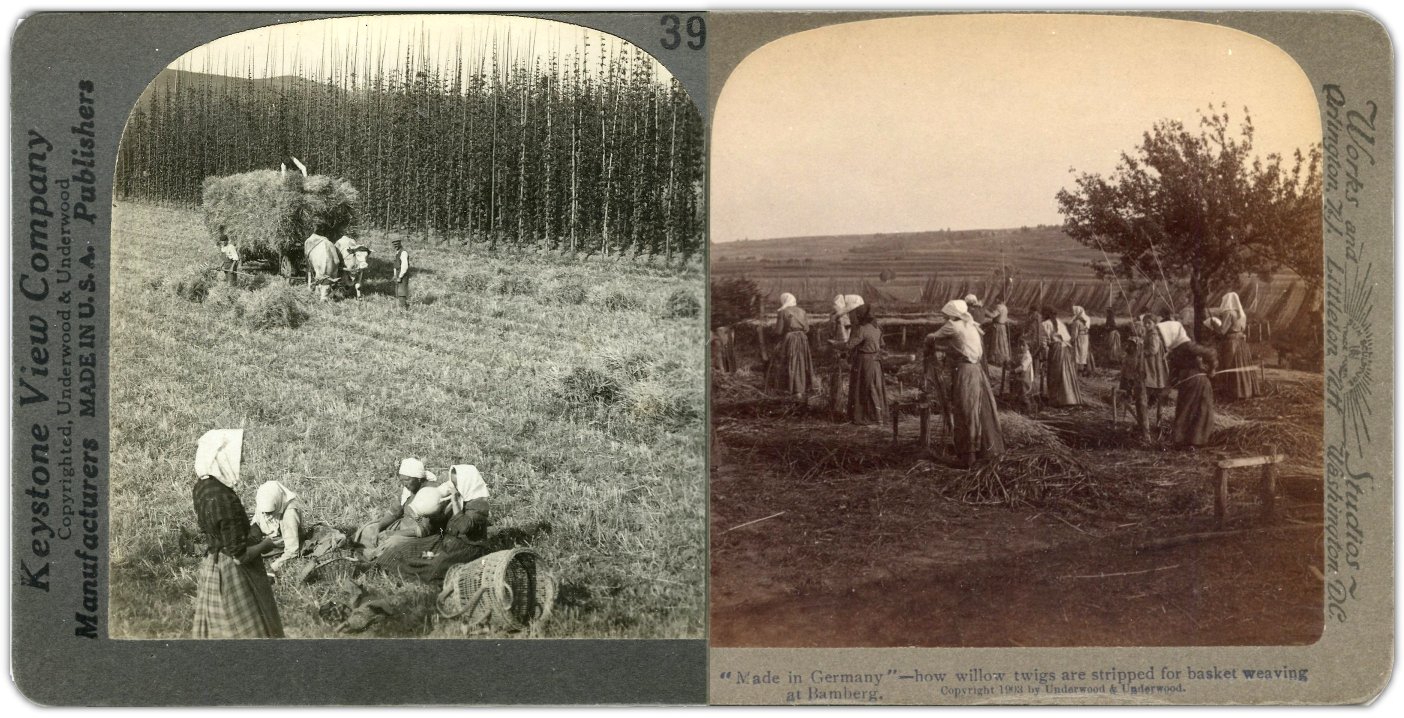
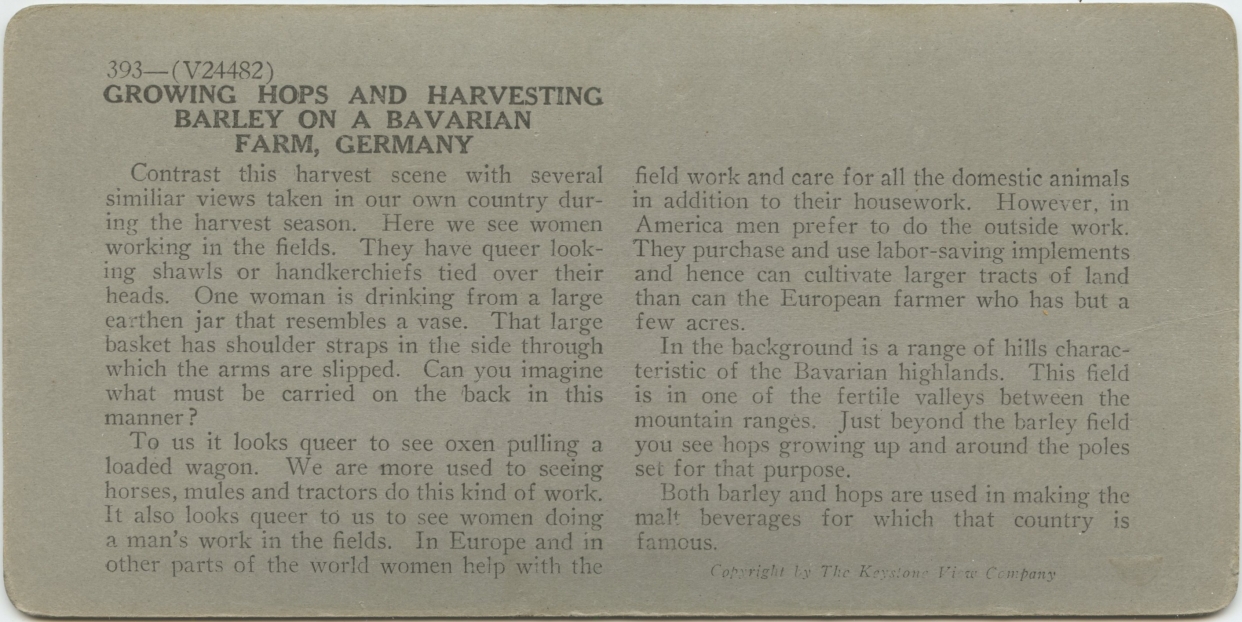
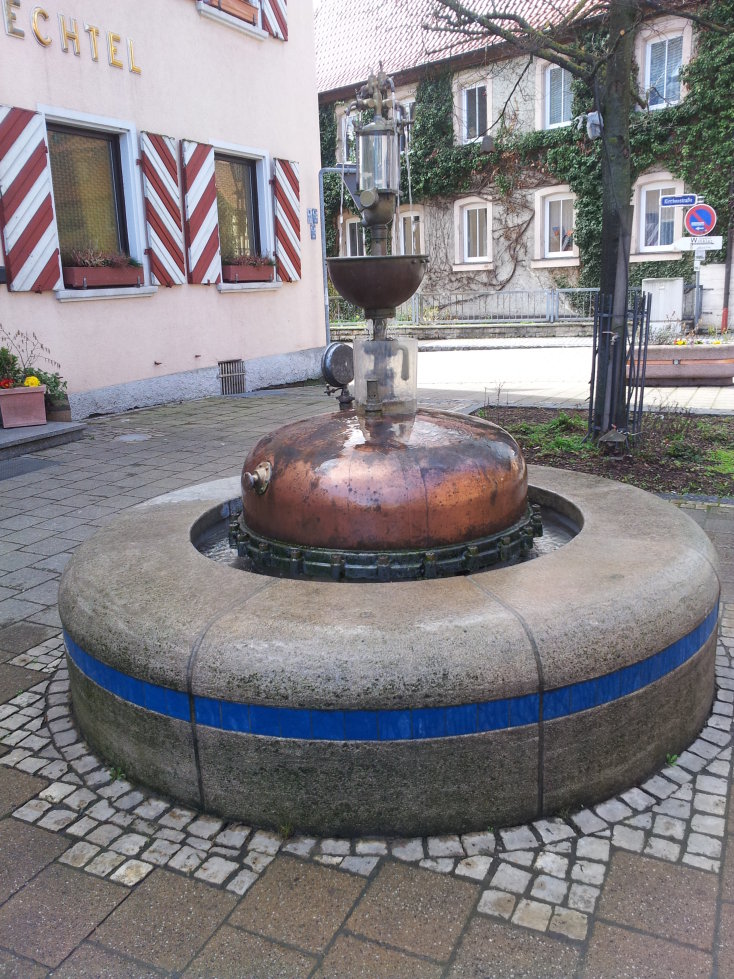
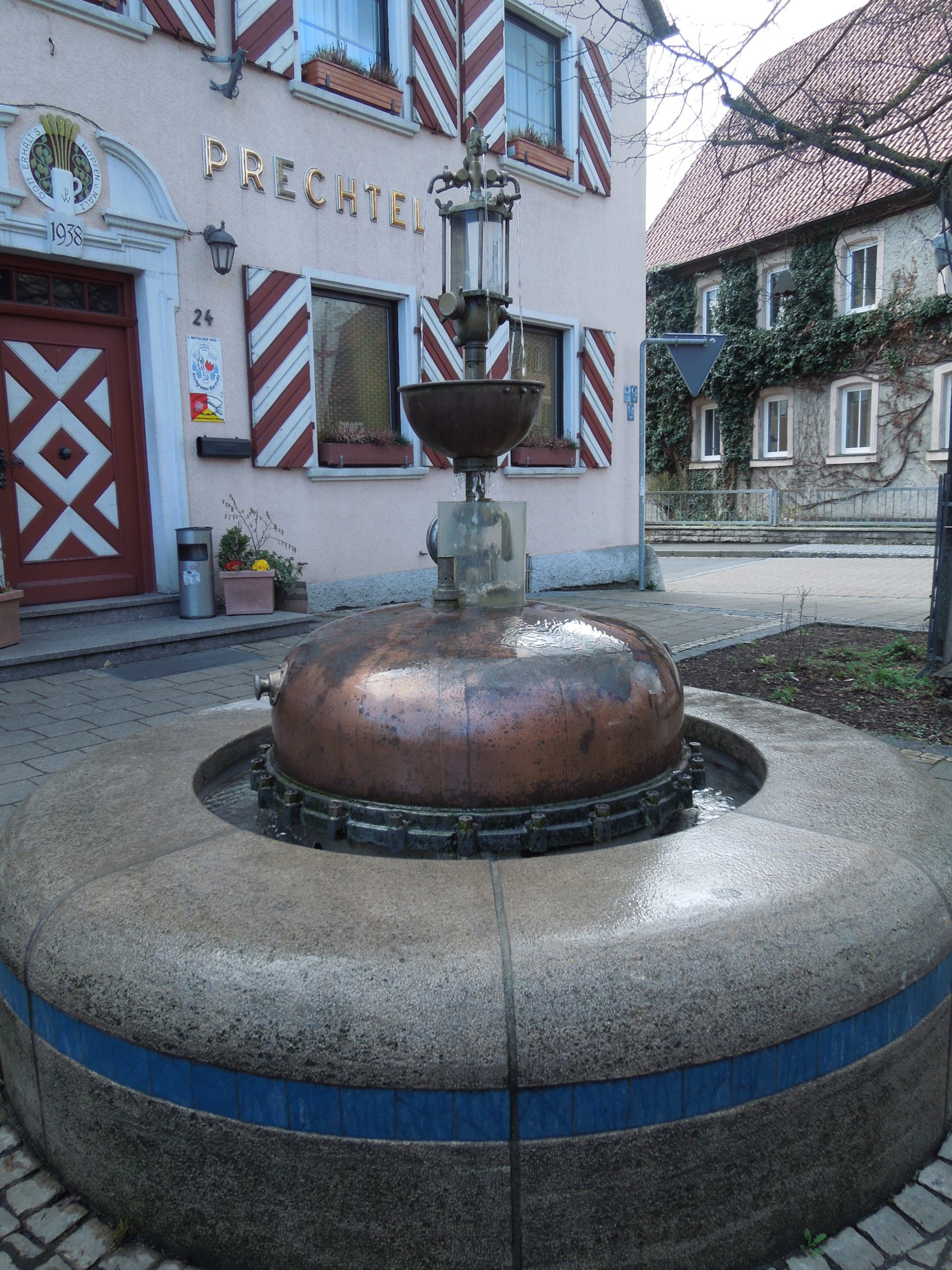
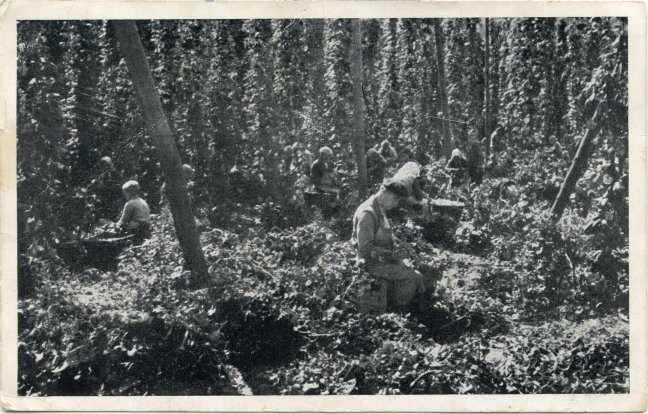
Hops and Barley
<font color="#A70033"><font size="-1">Image 1 of 4</font></font><br />     <font color="#A70033"><font size="-1">Image 2 of 4</font></font><br />     <font color="#A70033"><font size="-1">Image 3 of 4</font></font><br />     <font color="#A70033"><font size="-1">Image 4 of 4</font></font><br />

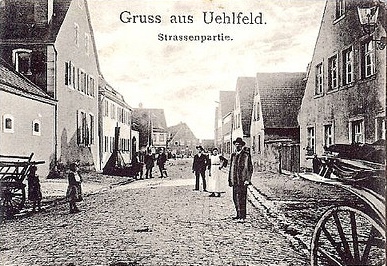
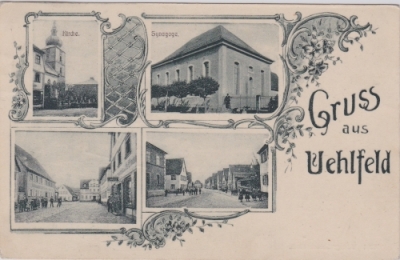
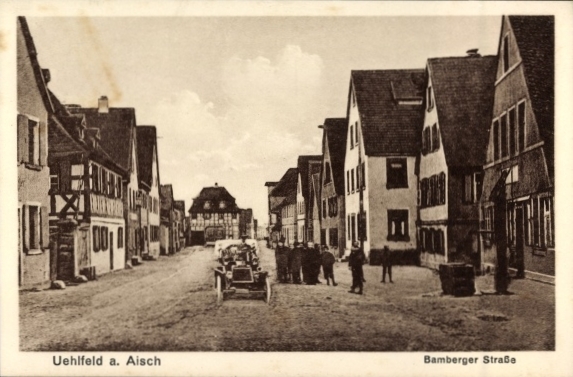
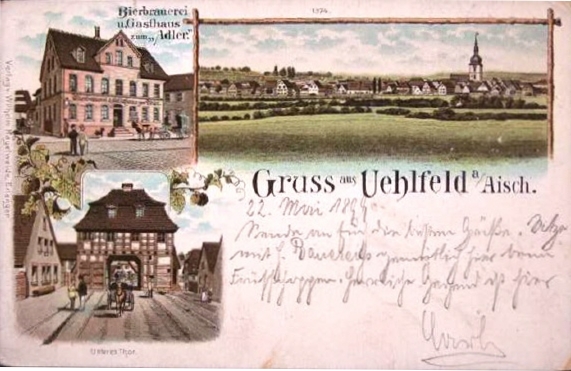
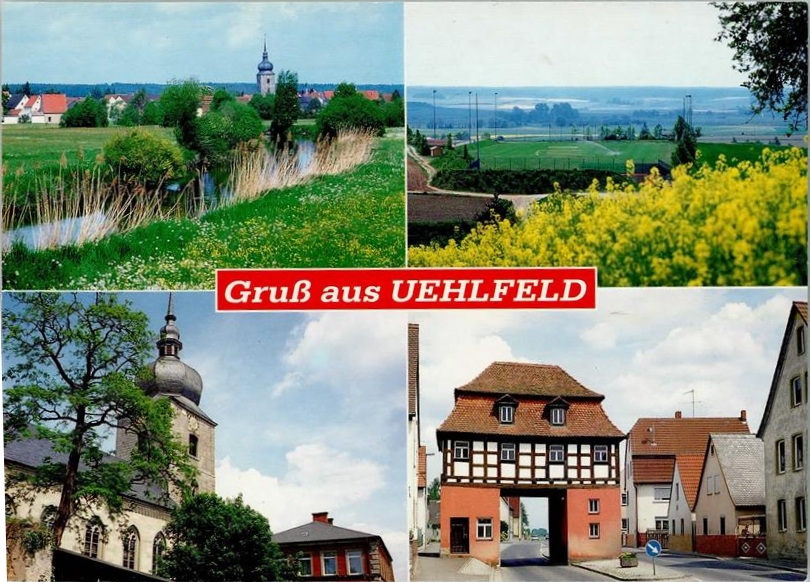
Postcards

<font color="#A70033"><font size="-1">Image 1 of 20</font></font><br />     <font color="#A70033"><font size="-1">Image 2 of 20</font></font><br />     <font color="#A70033"><font size="-1">Image 3 of 20</font></font><br />     <font color="#A70033"><font size="-1">Image 4 of 20</font></font><br />     <font color="#A70033"><font size="-1">Image 5 of 20</font></font><br />     <font color="#A70033"><font size="-1">Image 6 of 20</font></font><br />     <font color="#A70033"><font size="-1">Image 7 of 20</font></font><br />

<font color="#A70033"><font size="-1">Image 8 of 20</font></font><br />     <font color="#A70033"><font size="-1">Image 9 of 20</font></font><br />     <font color="#A70033"><font size="-1">Image 10 of 20</font></font><br />     <font color="#A70033"><font size="-1">Image 11 of 20</font></font><br />
						  Deininger Brewery ‐ 1870 to 1912     <font color="#A70033"><font size="-1">Image 12 of 20</font></font><br />
						     
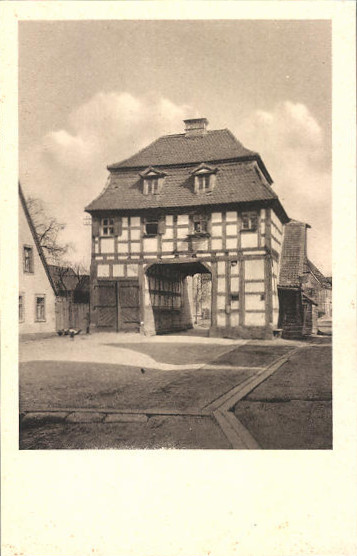
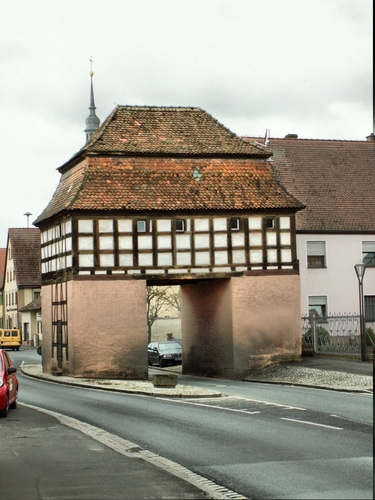
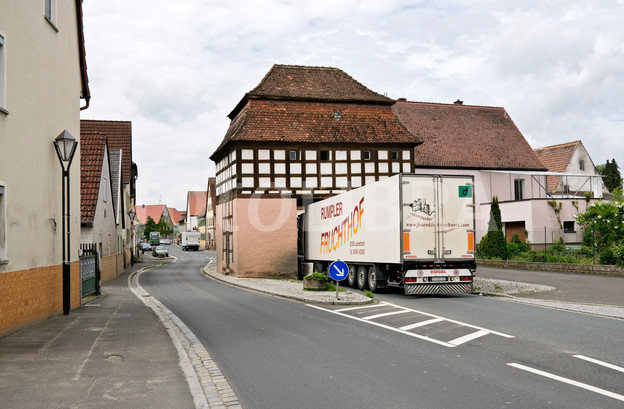
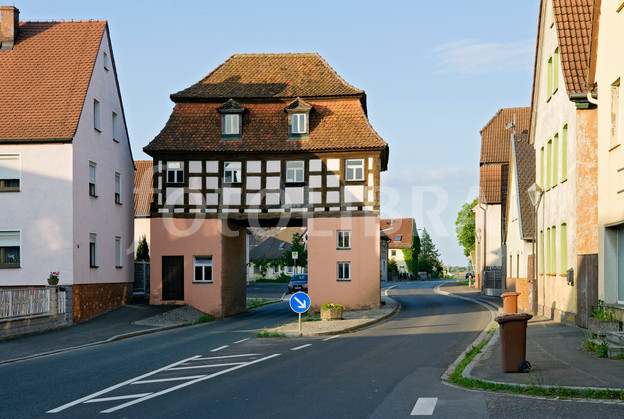
						  <a class="normal" href="https://de.wikipedia.org/wiki/Datei:Torhaus_Uehlfeld.jpg" target="_blank">Torhaus</a>     <font color="#A70033"><font size="-1">Image 13 of 20</font></font><br />

<font color="#A70033"><font size="-1">Image 14 of 20</font></font><br />     <font color="#A70033"><font size="-1">Image 15 of 20</font></font><br />     <font color="#A70033"><font size="-1">Image 16 of 20</font></font><br />     <font color="#A70033"><font size="-1">Image 17 of 20</font></font><br />     <font color="#A70033"><font size="-1">Image 18 of 20</font></font><br />     <font color="#A70033"><font size="-1">Image 19 of 20</font></font><br />
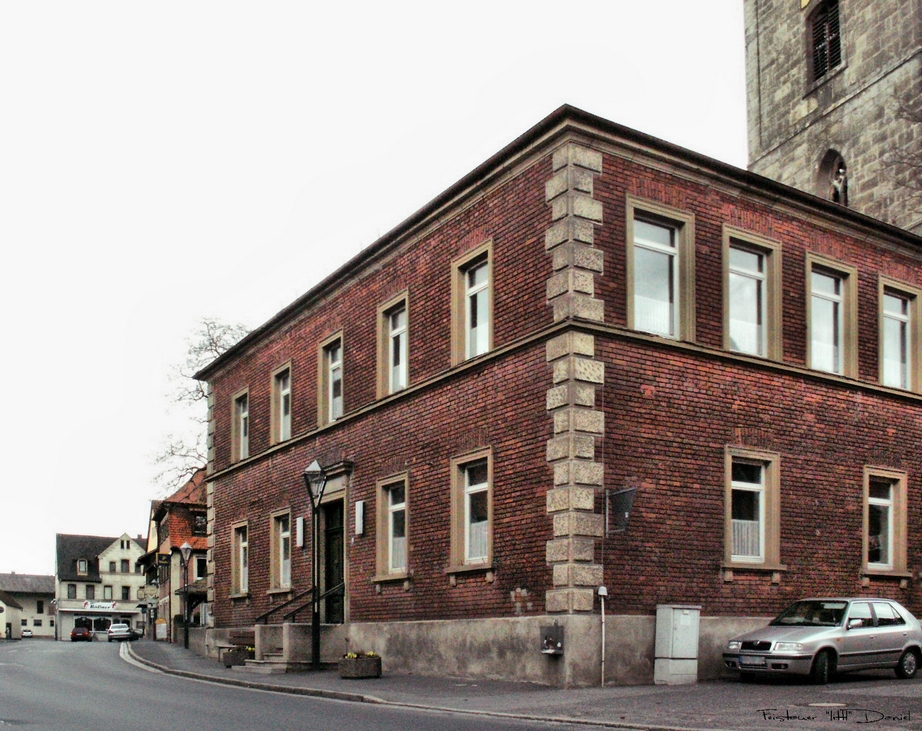
						  Community Center     <font color="#A70033"><font size="-1">Image 20 of 20</font></font><br />
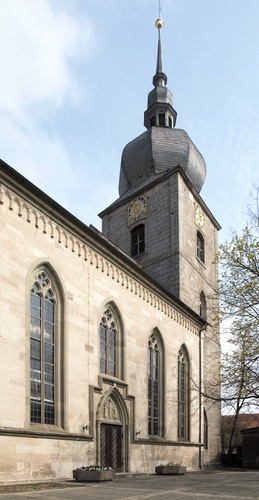
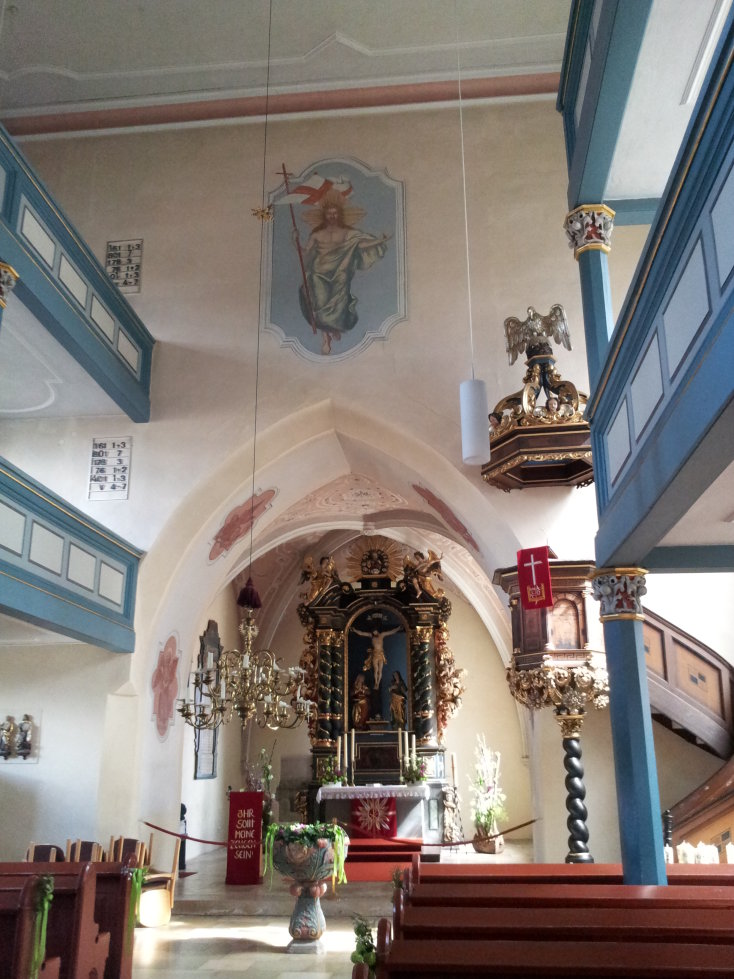
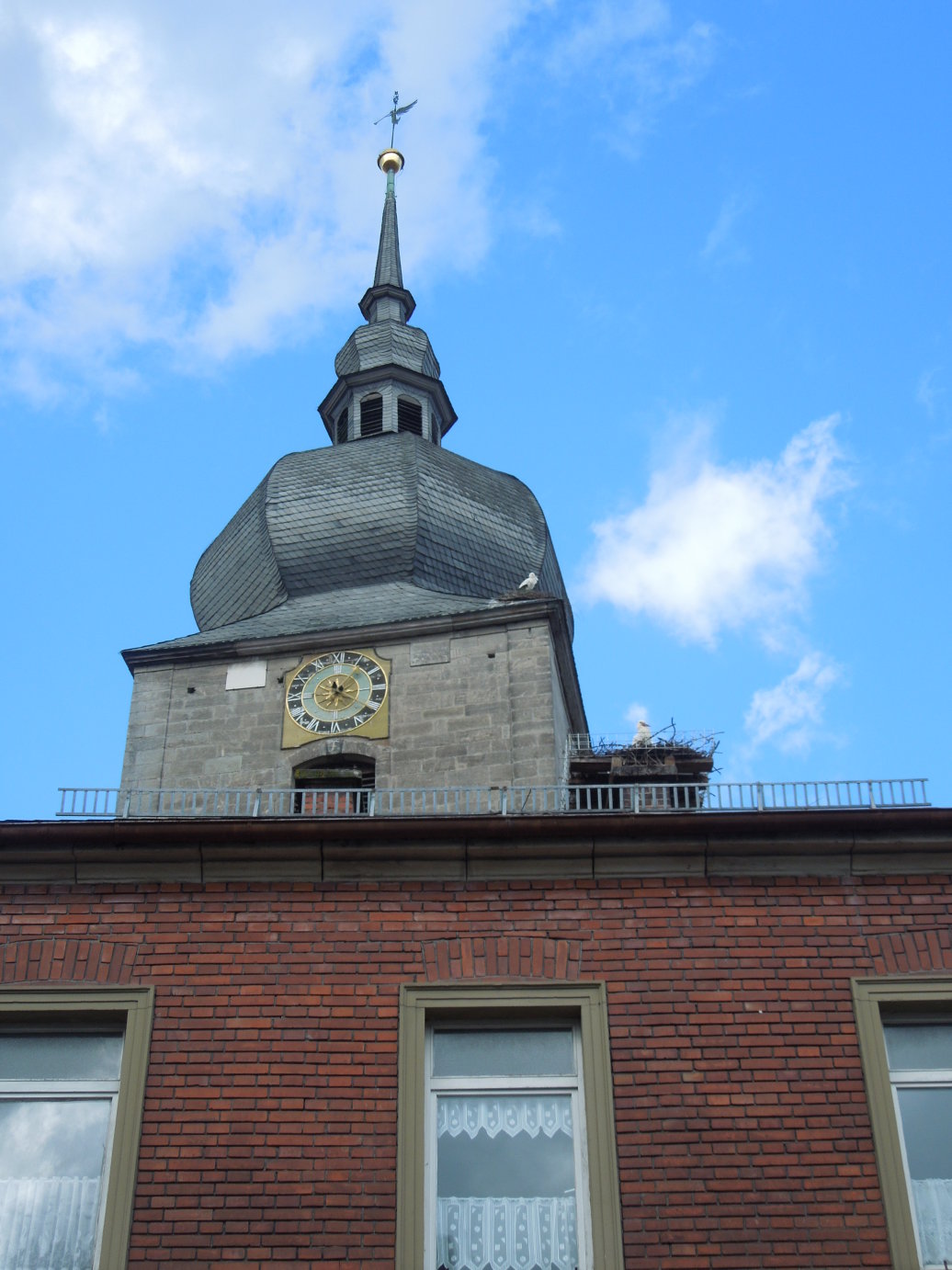
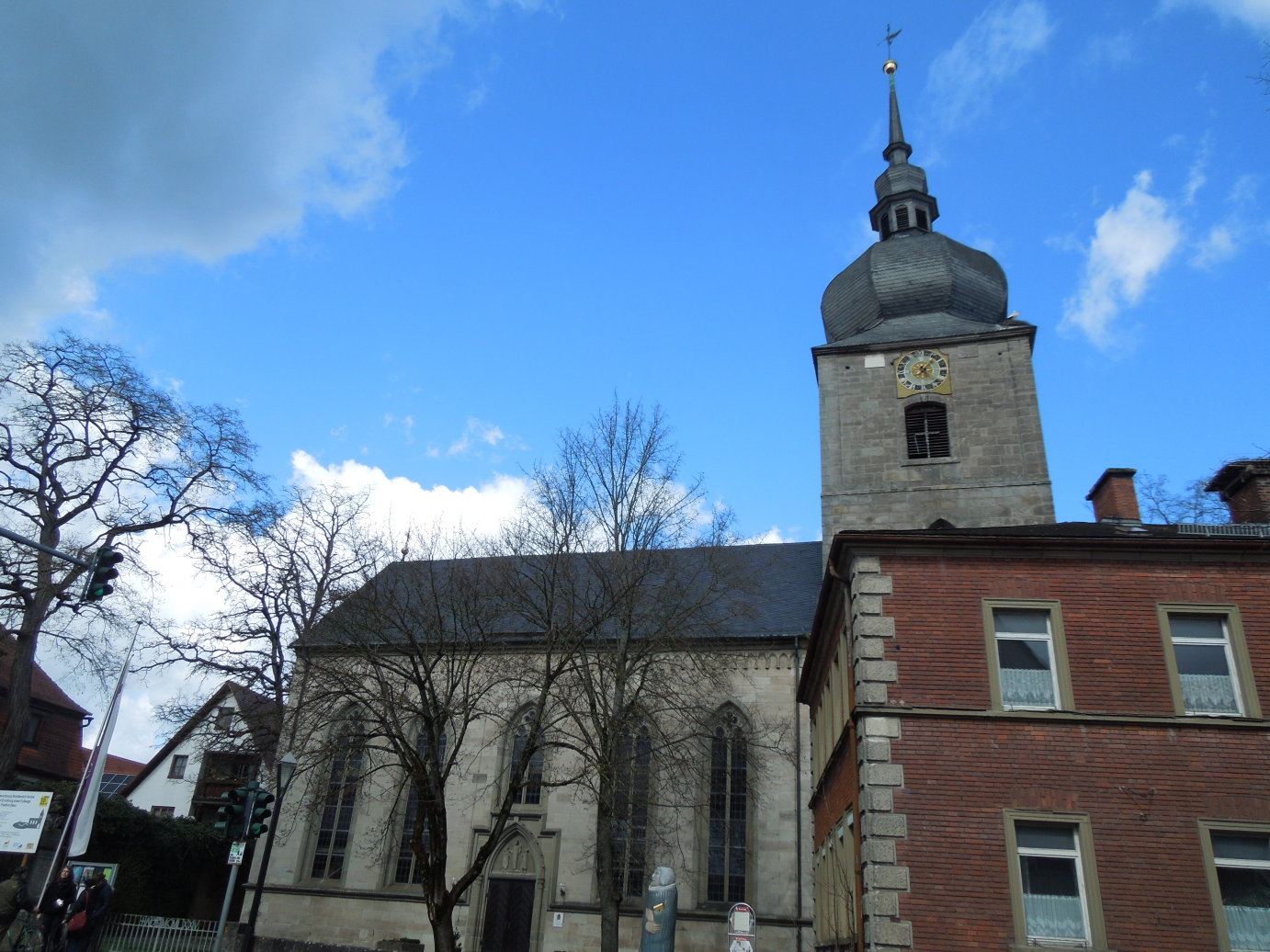
						  Protestant Church

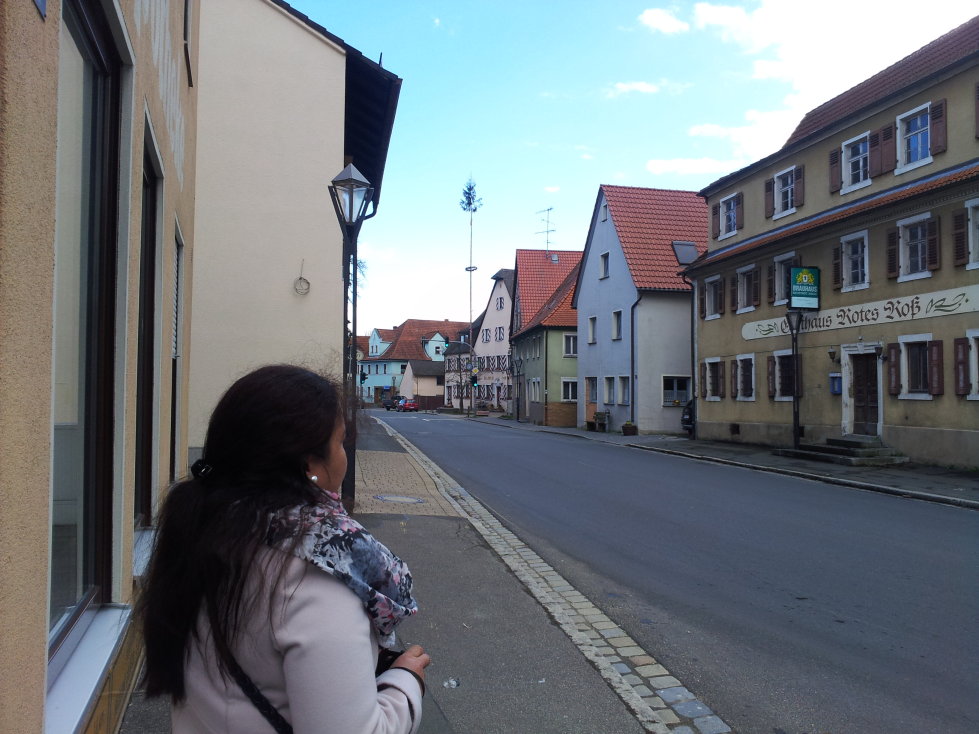
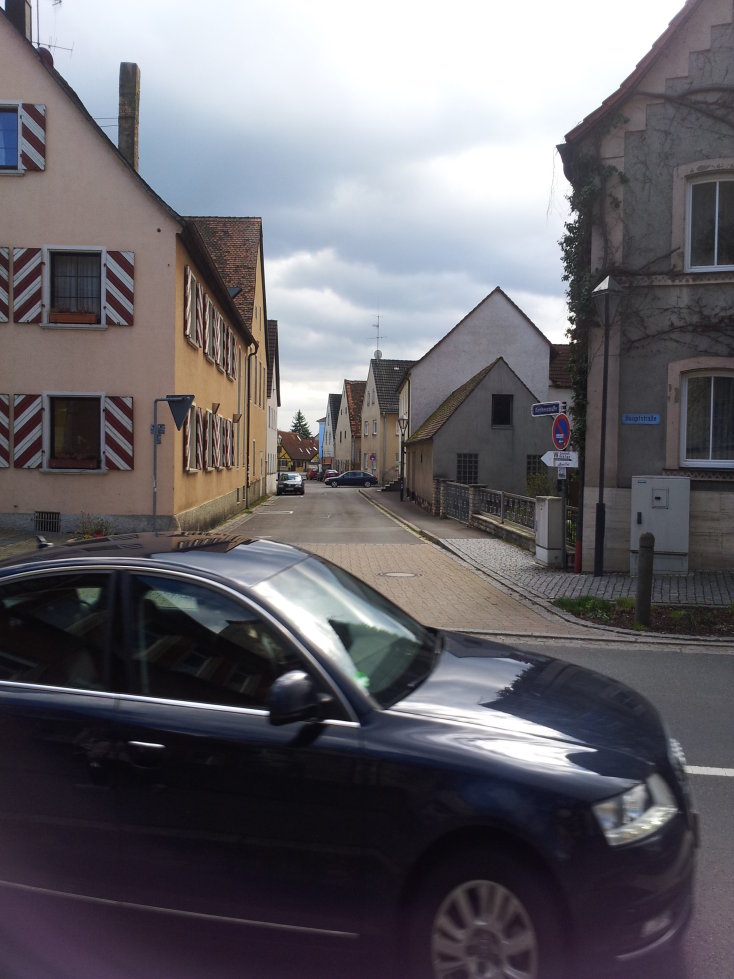
Our Trip to Uehlfeld ‐ 30th March 2015

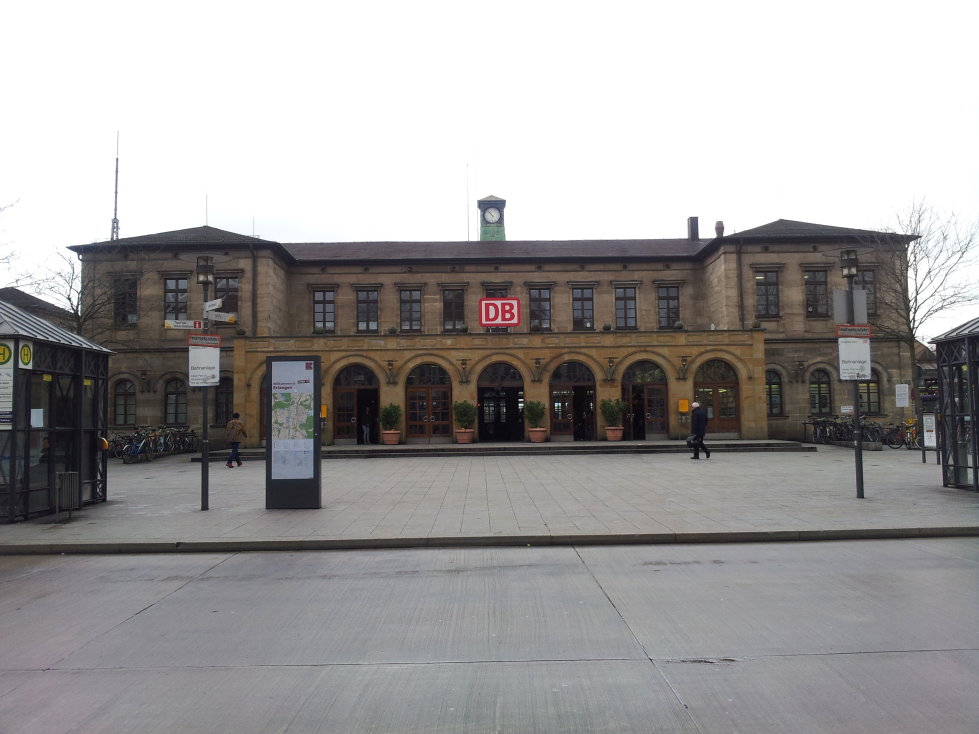
On holiday in Germany we first visited Munich for a week, then Bamberg for a fortnight and finally Nuremberg. We took the train from Bamberg down to Erlangen and missed the bus directly to Uehlfeld ‐ we had to get off at the bridge in Hochstadt. It was raining cats and dogs and we sought shelter and help ‐ the very friendly ladies in the local bakery (Werner Fumy) got us a taxi to continue our journey. The taxi driver who had agreed to pick us up after a couple of hours, drove us back to Hochstadt. After a long wait we caught the country bus on the route to Erlangen station.

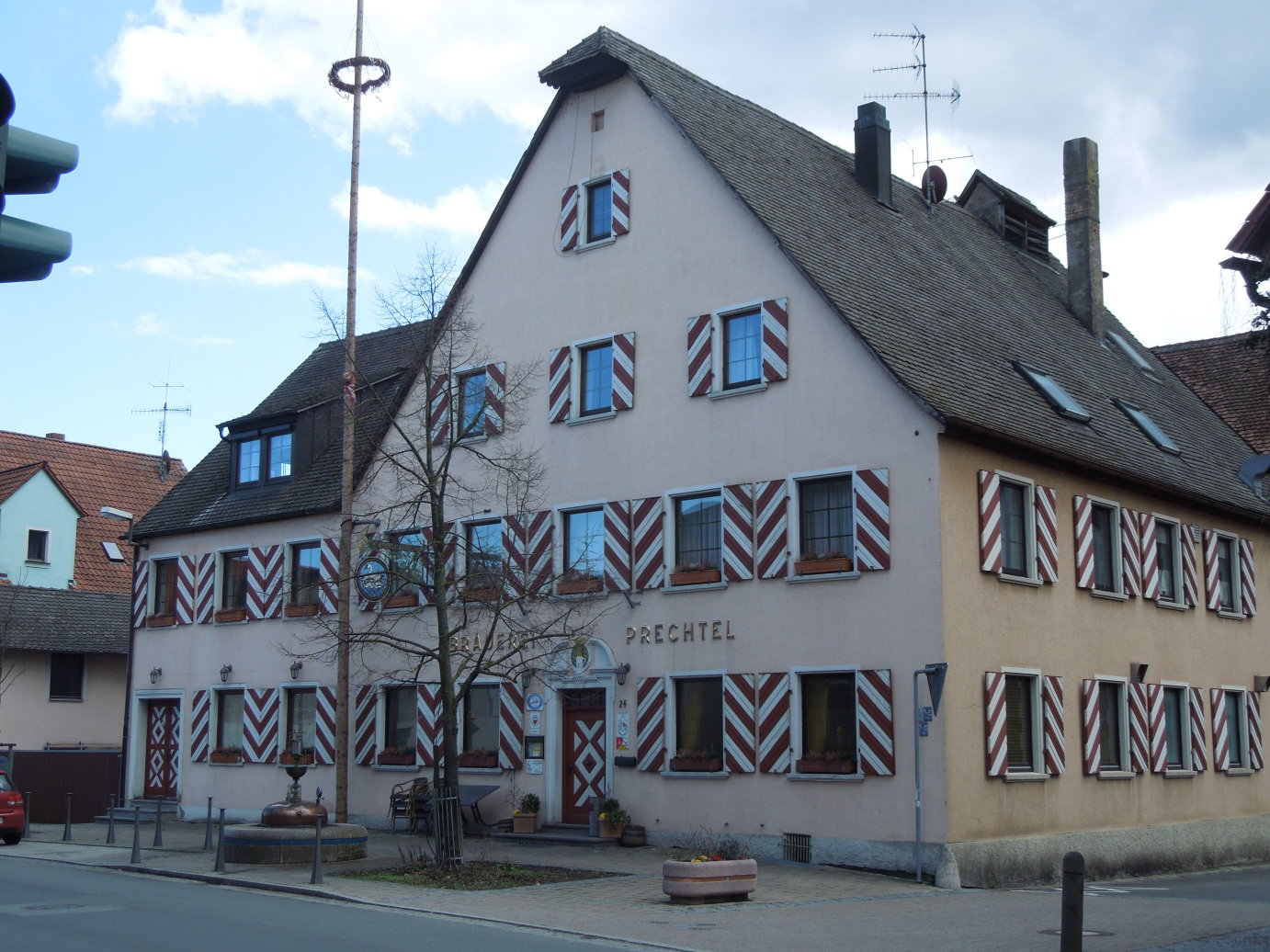
<font color="#A70033"><font size="-1">Image 1 of 24</font></font><br />     <font color="#A70033"><font size="-1">Image 2 of 24</font></font><br />     <font color="#A70033"><font size="-1">Image 3 of 24</font></font><br />     <font color="#A70033"><font size="-1">Image 4 of 24</font></font><br />     <font color="#A70033"><font size="-1">Image 5 of 24</font></font><br />     <font color="#A70033"><font size="-1">Image 6 of 24</font></font><br />     <font color="#A70033"><font size="-1">Image 7 of 24</font></font><br />     <font color="#A70033"><font size="-1">Image 8 of 24</font></font><br />

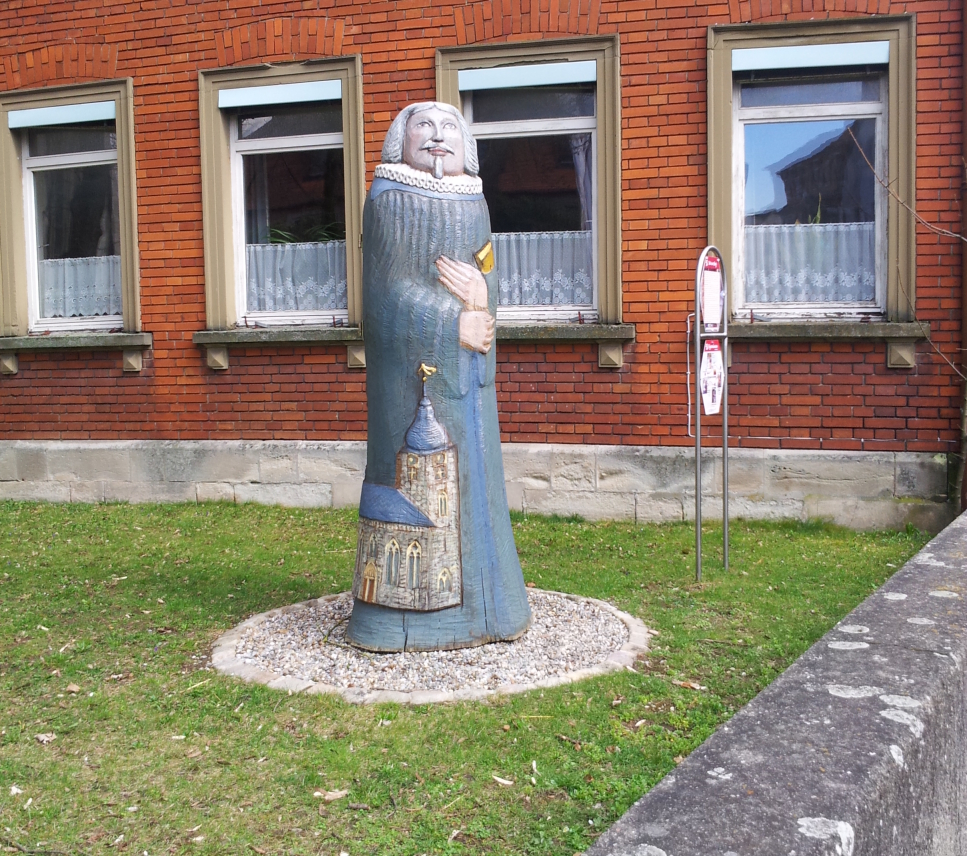
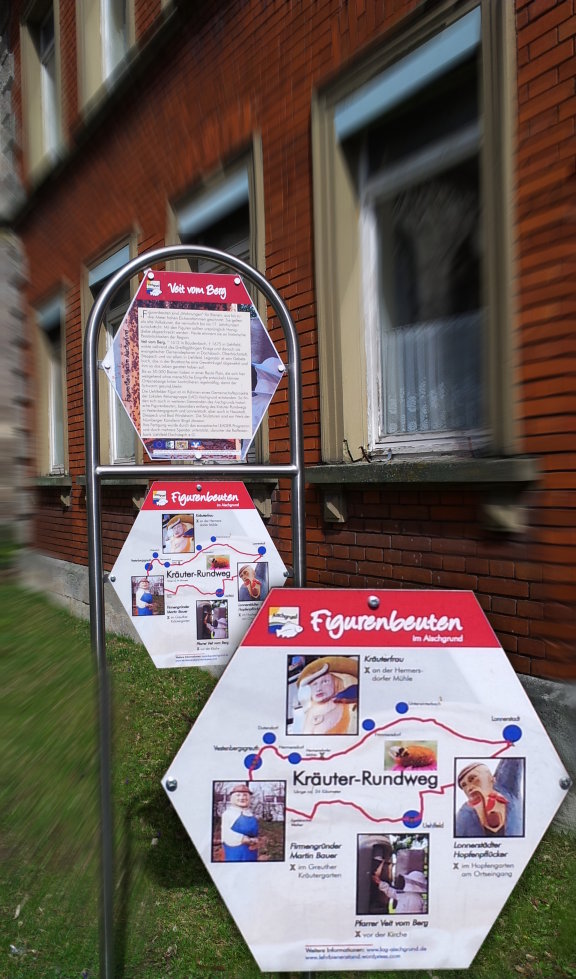
<font color="#A70033"><font size="-1">Image 9 of 24</font></font><br />     <font color="#A70033"><font size="-1">Image 10 of 24</font></font><br />     <font color="#A70033"><font size="-1">Image 11 of 24</font></font><br />     <font color="#A70033"><font size="-1">Image 12 of 24</font></font><br />                          Figure hives are "dwellings" for bees made from oak trunks up to three metres high They resemble an old folk art that 
                          probably dates back to the 17th century The figures were originally intended to deter honey thieves Today they are a reminder of 
                          historical personalities in the region.<br />
                          Velt vom Berg, born 1612 in Baudenbach, died 1675 in Uehlfeld, worked during the Thirty Years' War and afterwards as a Protestant 
                          parish priest in Dachsbach, Oberhochstadt, Steppach and especially in Uehlfeld. Legendary is his prayer book, which is said to have 
                          saved his life by deflecting a bullet in the breast pocket.<br />
                          There is room for up to 50,000 bees in a hive, which can develop here largely without human intervention. Local beekeepers regularly 
                          check to ensure that the swarm remains healthy.<br />
                          The Uehlfeld figure was created as part of a joint project of the Aischgrund Local Action Group (LAG). Historic figure hives can 
                          also be found in other valuable communities in the Aischgrund, especially along the Kräuter Rundweg (Herb Trail) in 
                          Vestenbergsgreuth and Lonnerstadt, but also in Neustadt, Diespeck and Bad Windsheim. The sculptures are the work of the Nuremberg 
                          artist Birgit Jönsson.<br />
                          Their production was supported by the European LEADER programme and by several donors, including Raiffeisen‐Bank 
                          Uehlfeld‐Dachsbach e G.</p>     <font color="#A70033"><font size="-1">Image 13 of 24</font></font><br />     <font color="#A70033"><font size="-1">Image 14 of 24</font></font><br />     <font color="#A70033"><font size="-1">Image 15 of 24</font></font><br />     <font color="#A70033"><font size="-1">Image 16 of 24</font></font><br />

<font color="#A70033"><font size="-1">Image 17 of 24</font></font><br />     <font color="#A70033"><font size="-1">Image 18 of 24</font></font><br />     <font color="#A70033"><font size="-1">Image 19 of 24</font></font><br />     <font color="#A70033"><font size="-1">Image 20 of 24</font></font><br />     <font color="#A70033"><font size="-1">Image 21 of 24</font></font><br />     <font color="#A70033"><font size="-1">Image 22 of 24</font></font><br />     <font color="#A70033"><font size="-1">Image 23 of 24</font></font><br />     <font color="#A70033"><font size="-1">Image 24 of 24</font></font><br />

*
The return bus journey from Uehlfeld to Erlangen across beautiful wooded countryside -
passing through Gremsdorf, Niederlindach and Heßdorf.

Uehlfeld Website Links

Uehlfeld
Brauerei Wettschureck
Lo03 Uehlfeld‐Demandsfürth ‐ Höchstadt (Aisch)
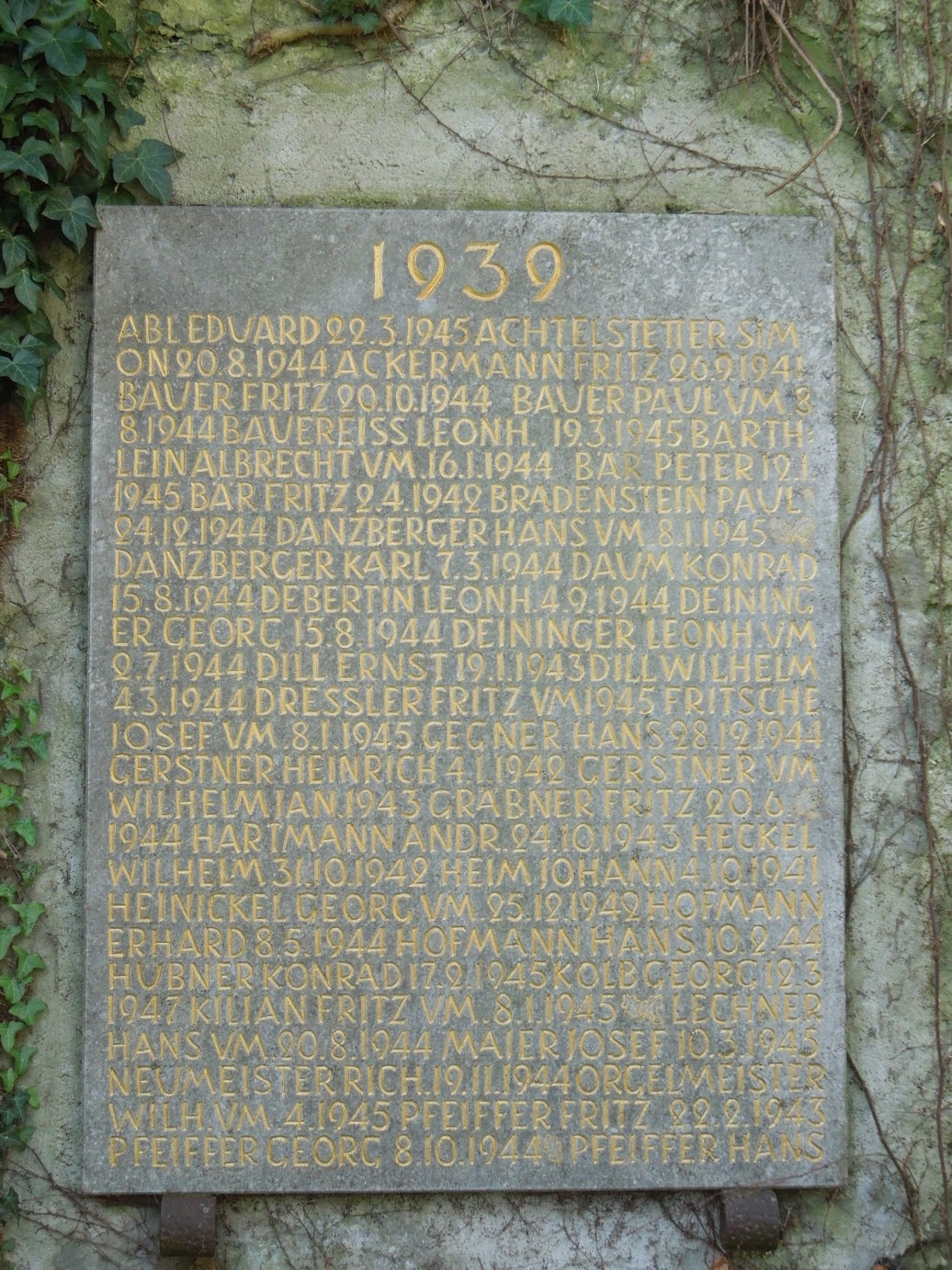
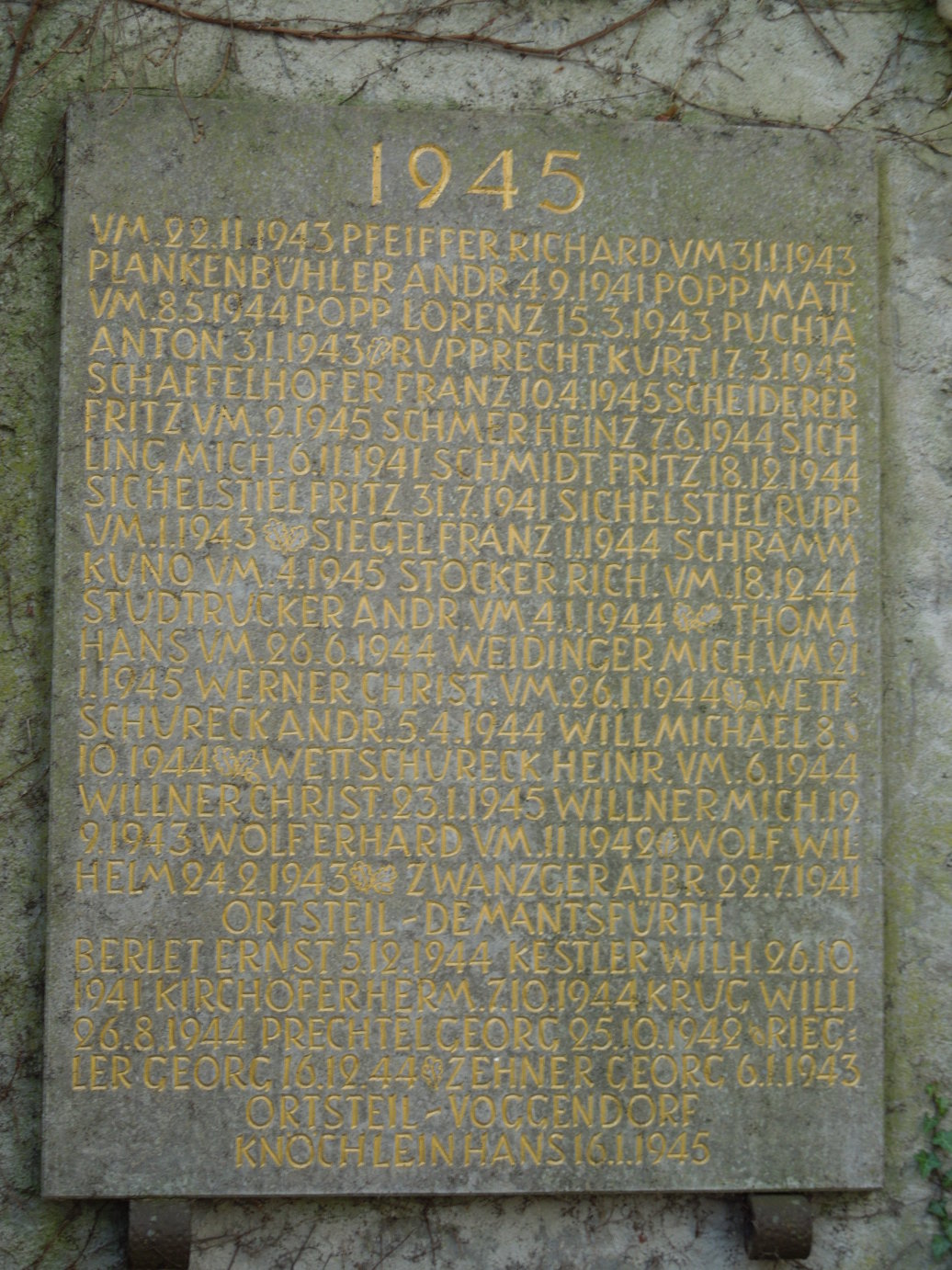
1914 1918 (see photographs above)
Komoot